
Importance of segmentation in email automation
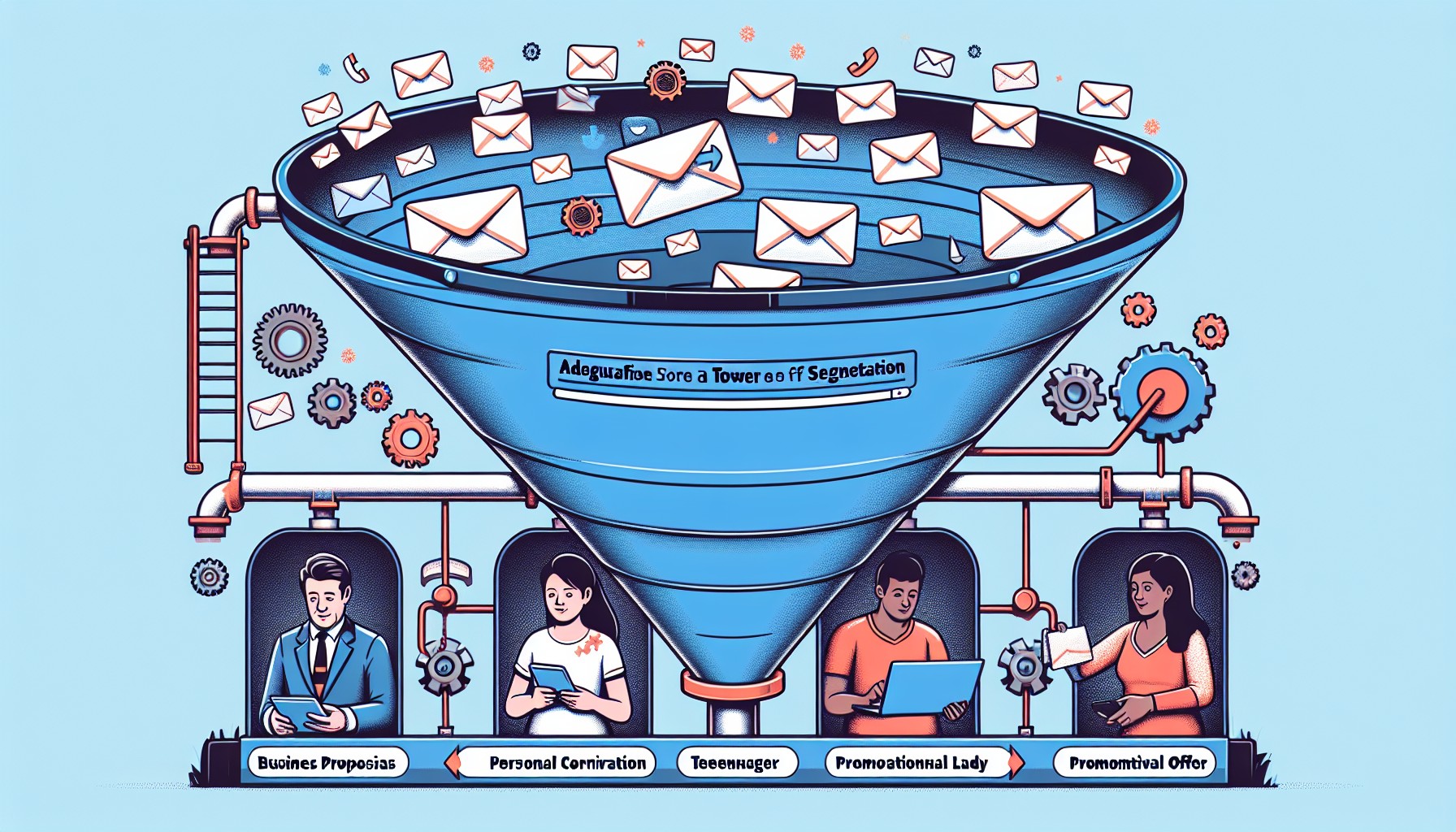
In the world of digital marketing, email automation is a powerful tool that allows businesses to effectively reach their audience. However, for email automation to be truly effective, it is crucial to use segmentation appropriately. Segmentation involves dividing your contact database into smaller groups with similar characteristics, allowing you to send personalized and relevant messages to each segment. In this article, we will explore the power of segmentation in email automation and how it can benefit a comprehensive digital marketing, SEO, and AI company.
Benefits of segmentation in email automation
One of the main benefits of segmentation in email automation is personalization. When messages are tailored to the specific needs and interests of each segment, users feel more identified and are likely to respond positively. Additionally, segmentation allows businesses to send messages at the right time, increasing the chances that emails will be opened and read.
Another important benefit of segmentation in email automation is improved conversion rates. By sending highly relevant messages to each segment, businesses can increase the likelihood that recipients will take a specific action, such as making a purchase or subscribing to a service. This translates into a higher return on investment and greater effectiveness of marketing campaigns.
Segmentation techniques in email automation
There are a number of segmentation techniques that businesses can use in email automation. One of the most common is demographic segmentation, which involves dividing the database into groups based on variables such as age, gender, or geographic location. This information can then be used to send personalized messages that resonate with each recipient group.
Another effective segmentation technique is behavioral segmentation. This strategy involves sending specific messages to users based on their previous interactions with the company, such as pages visited on the website or purchases made. By sending relevant messages to each segment based on their behavior, companies can increase the relevance of their emails and improve conversion rates.
Implementing segmentation in email automation
To effectively implement segmentation in email automation, businesses need to follow a few key steps. First, it’s important to clearly define audience segments based on business-relevant criteria. This can include demographics, purchasing behaviors, interests, or preferences.
Next, it is essential to use an email automation platform that allows you to easily and efficiently segment your contact database. These tools usually have advanced segmentation features that make the process easier and ensure that messages are sent to the right recipients.
Finally, it is crucial to measure and analyze the results of segmented email campaigns to identify which segments are responding positively and which need adjustments. This constant feedback allows companies to continually improve their segmentation strategies and maximize the impact of their campaigns.
Conclusions
In conclusion, segmentation is a key element in email automation that can significantly boost the effectiveness of digital marketing campaigns. By sending personalized and relevant messages to each audience segment, companies can improve open rates, conversion rates, and user loyalty. Effective implementation of segmentation requires clearly defining audience segments, using advanced automation tools, and analyzing results to make continuous adjustments. In a world increasingly saturated with digital messages, segmentation becomes indispensable to stand out from the competition and effectively reach users.